Helping you manage dysphagia with confidence.
Our commitment goes beyond selling thickener. We’re dedicated to raising awareness of dysphagia, sharing practical guidance, and providing trusted resources to those who need them.
Our goal is to help you navigate life with dysphagia simply, safely, and confidently.
What Is Clear DysphagiAide® Beverage & Food Thickener?
Clear DysphagiAide® is a xanthan gum powder designed to thicken liquids, making drinking and eating more comfortable, efficient, and safe for individuals with dysphagia.
How Does It Work?
Our thickener is added to liquids such as water, juice, milk, tea, broth, and purées, creating a thicker, smoother consistency that slows the flow of food, allowing the muscles more time to react and help direct the food to the stomach.
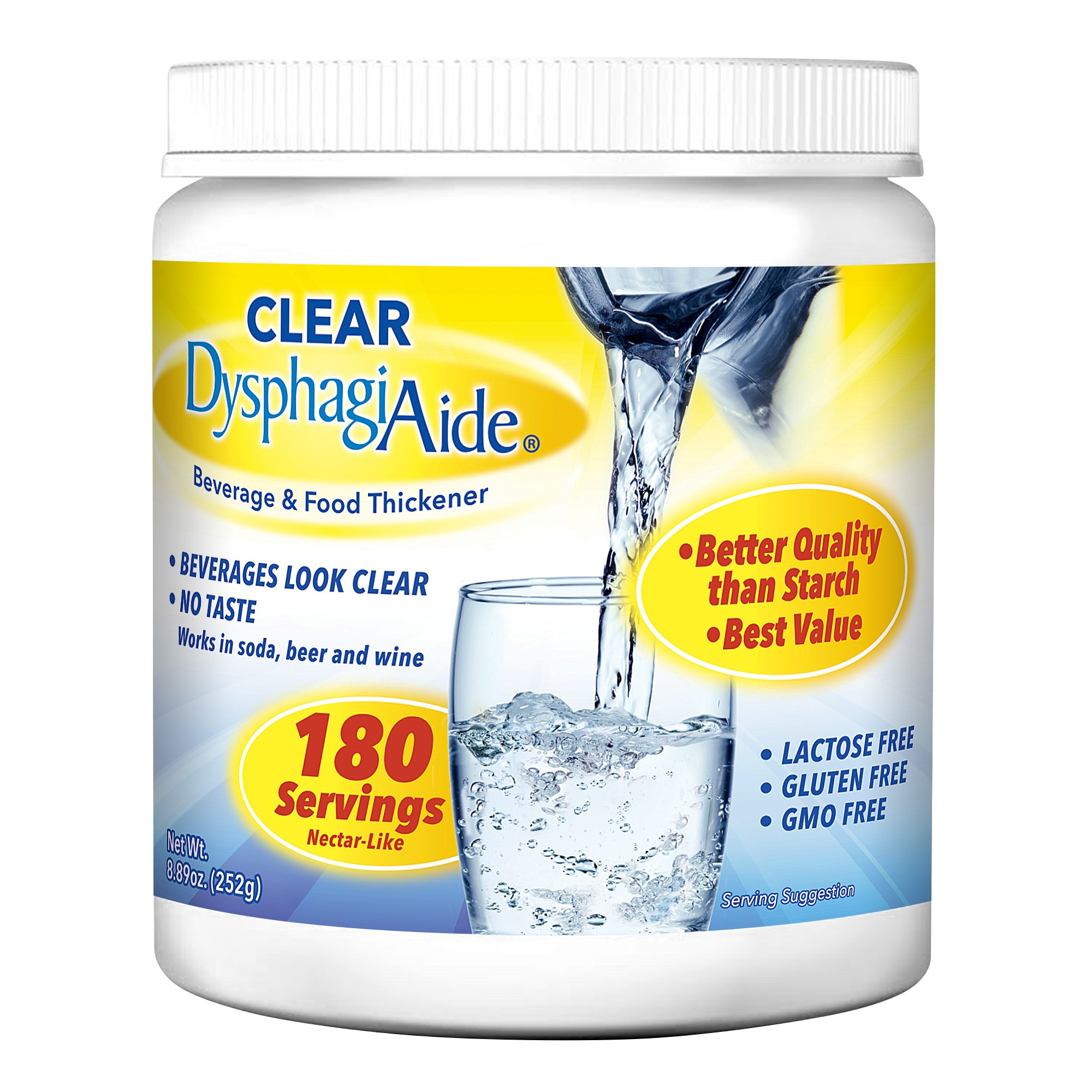
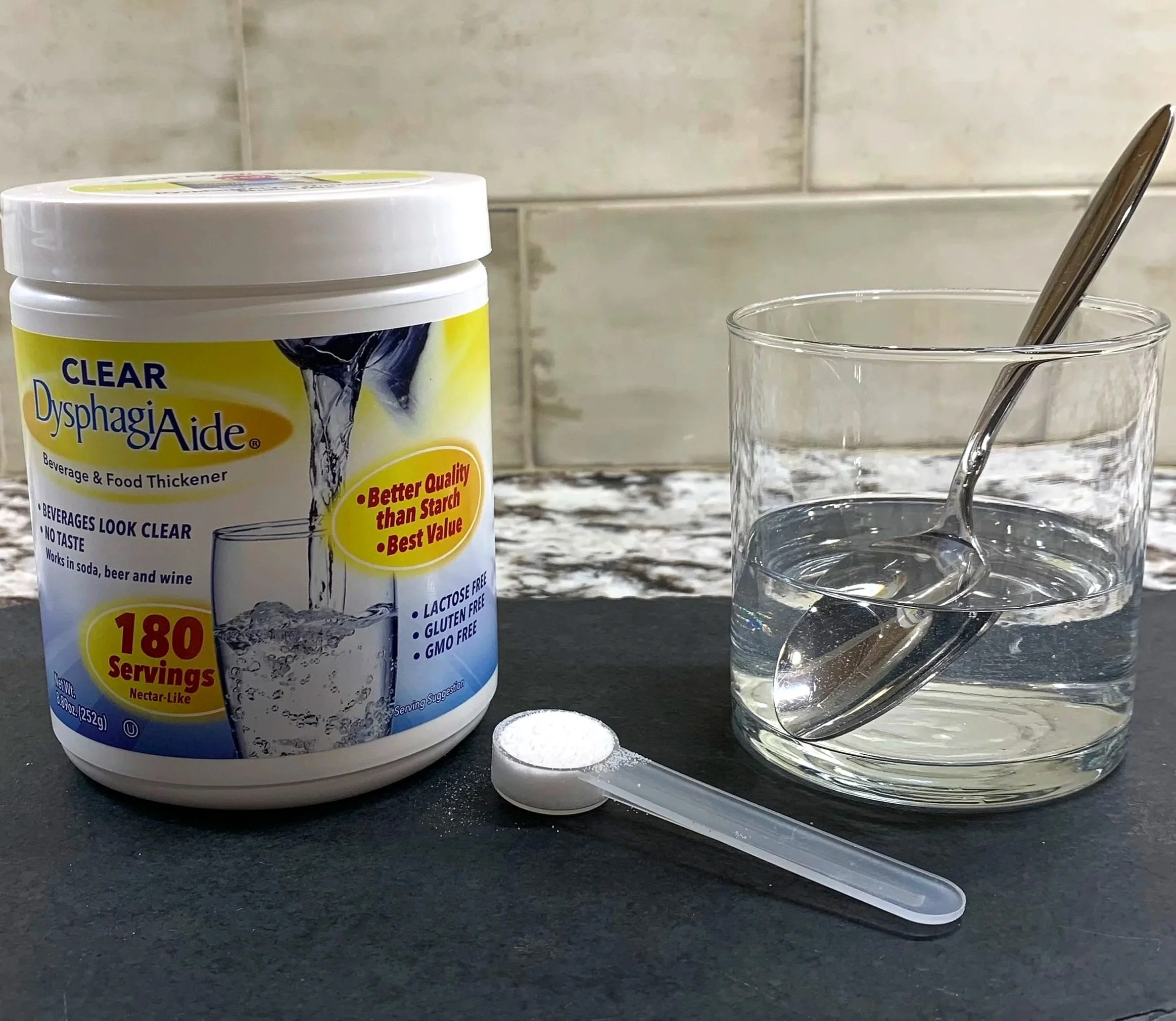
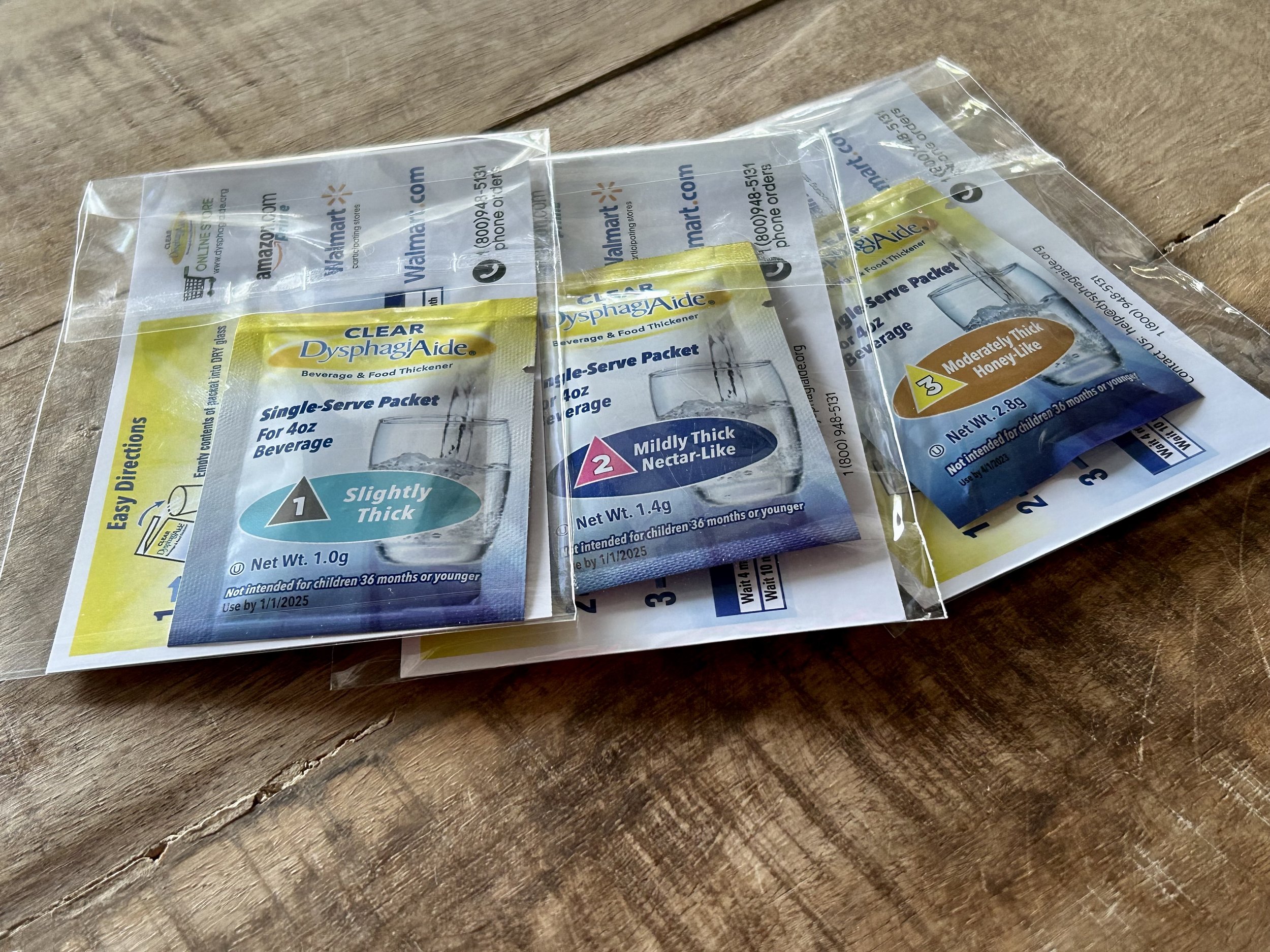
Clear DysphagiAide® is made with just three ingredients: xanthan gum, maltodextrin, and less than 2% erythritol. Xanthan gum is the primary thickening ingredient and is commonly found in many everyday foods, including salad dressings, sauces, beverages, and baked goods, where it helps improve texture and consistency. Together, these ingredients create an effective, easy-to-use thickener without unnecessary extras.
Why Clear DysphagiAide?
A Clear Difference

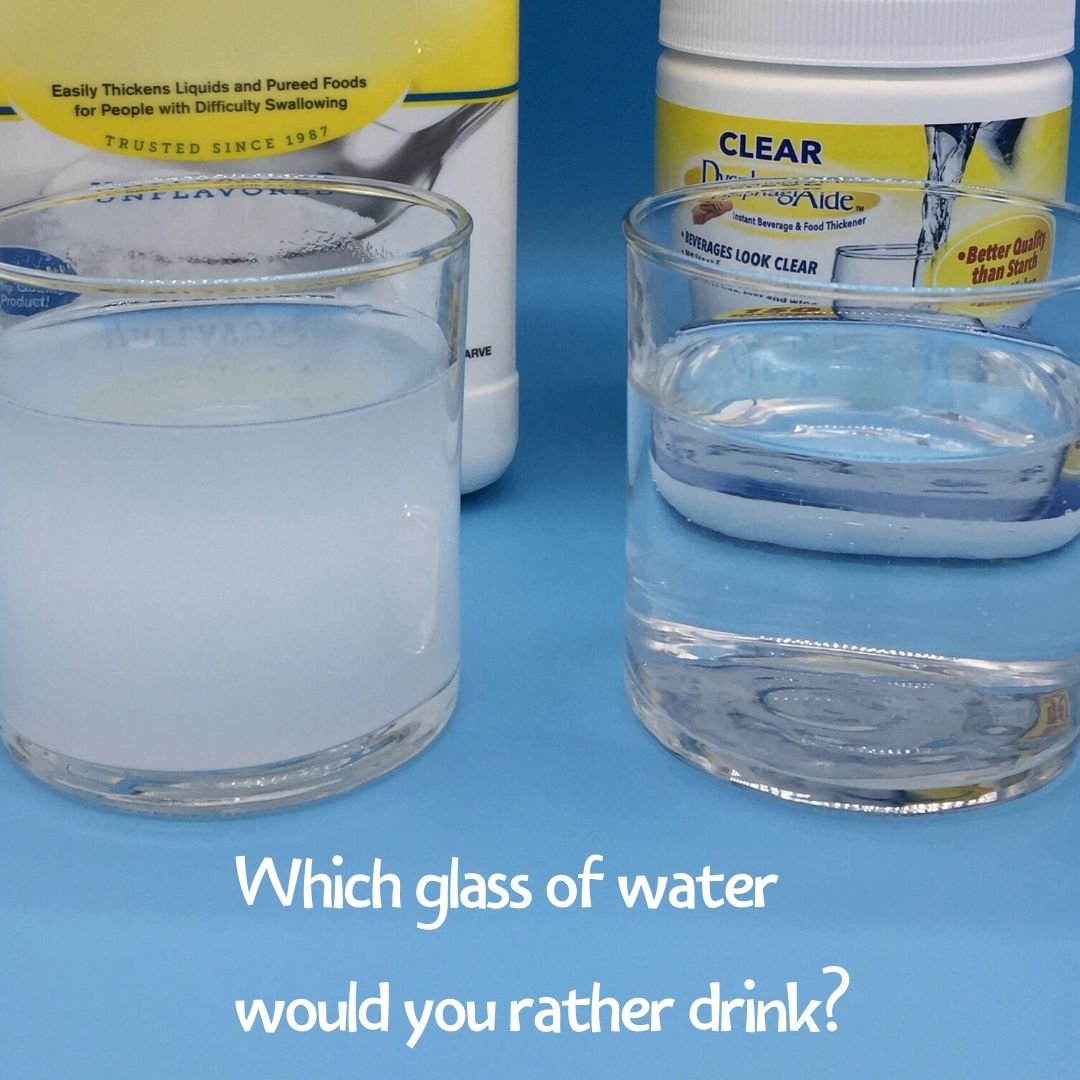
Clear DysphagiAide® powder thickener will not change the taste or appearance of the liquid it thickens.
In blind taste tests, our thickener was chosen again and again as the best overall thickener for appearance and taste.
Thickens Nearly Any Liquid
Our thickener works in almost any liquid, hot or cold. It was designed and tested to work in water, juice, soda, coffee, tea, soup, broth, smoothies, purees, beer, and wine, to name a few. It also works in prepared drinkable laxative drinks like MiraLax®.
Easy-To-Follow Directions
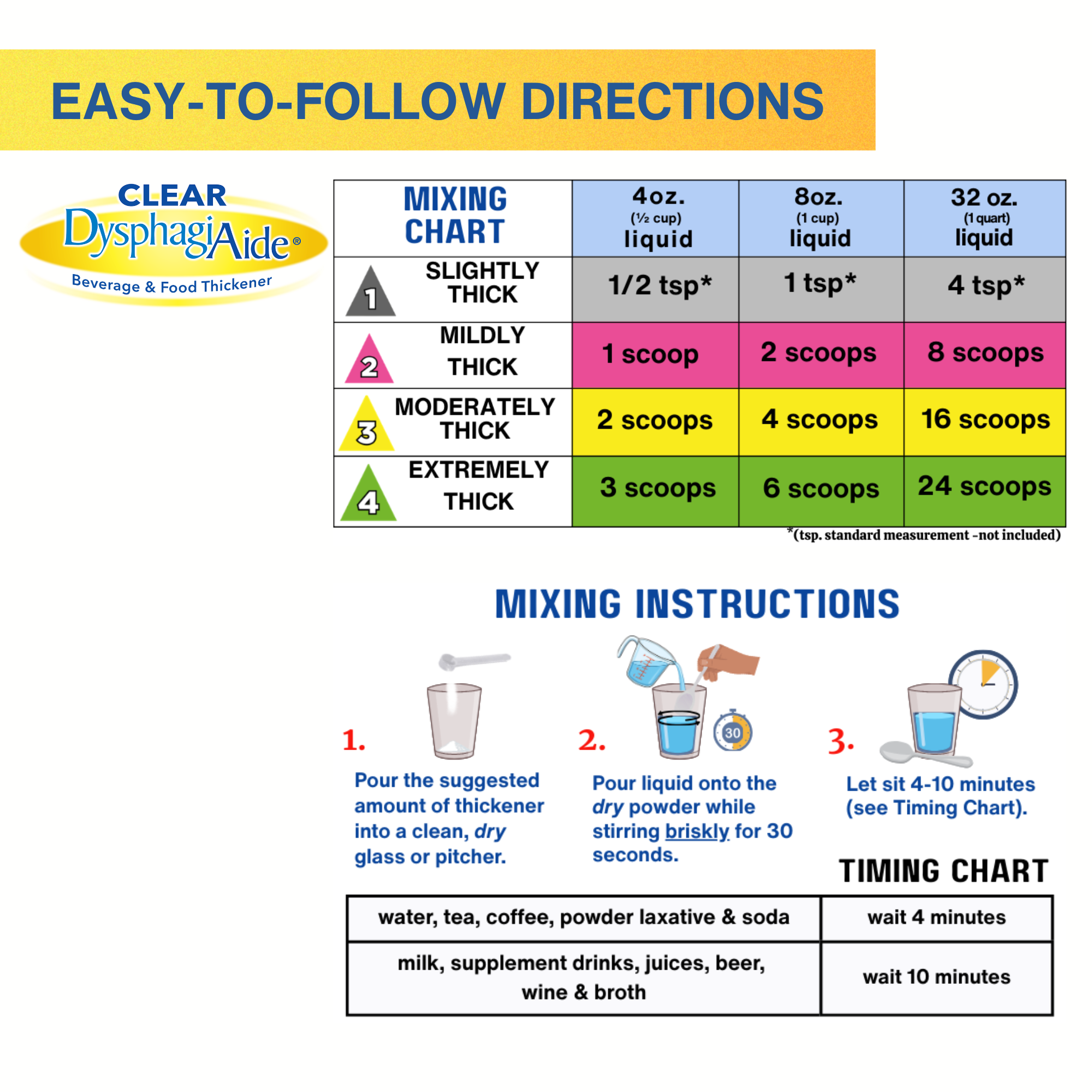
You have too many other things to worry about without having to guess how much thickener you need. We've already done that work for you and put it on each label.
Even more, our single-serve packets are pre-measured according to IDDSI standards and ready to thicken any 4 oz. liquid.
Consistency You Can Count On

Clear Dysphagia Aide® powder thickener maintains the same thickness over time. It will not continue to thicken or break down as other thickeners do.
You can prepare a pitcher of thickened water (or any drink), put it in the fridge, and pour from it as you need, all day long, and... the next day!
Pure, Versatile, and Dietary-Friendly

Clear DysphagiAide® thickener is clear, odorless, and tasteless. It is free from GMOs, gluten, sugar, and lactose, making it suitable for a variety of dietary needs. Each serving contains only one carb, and it is appropriate for vegetarians, making it an excellent choice for many people!


About Our Company & Brand
ABOUT US
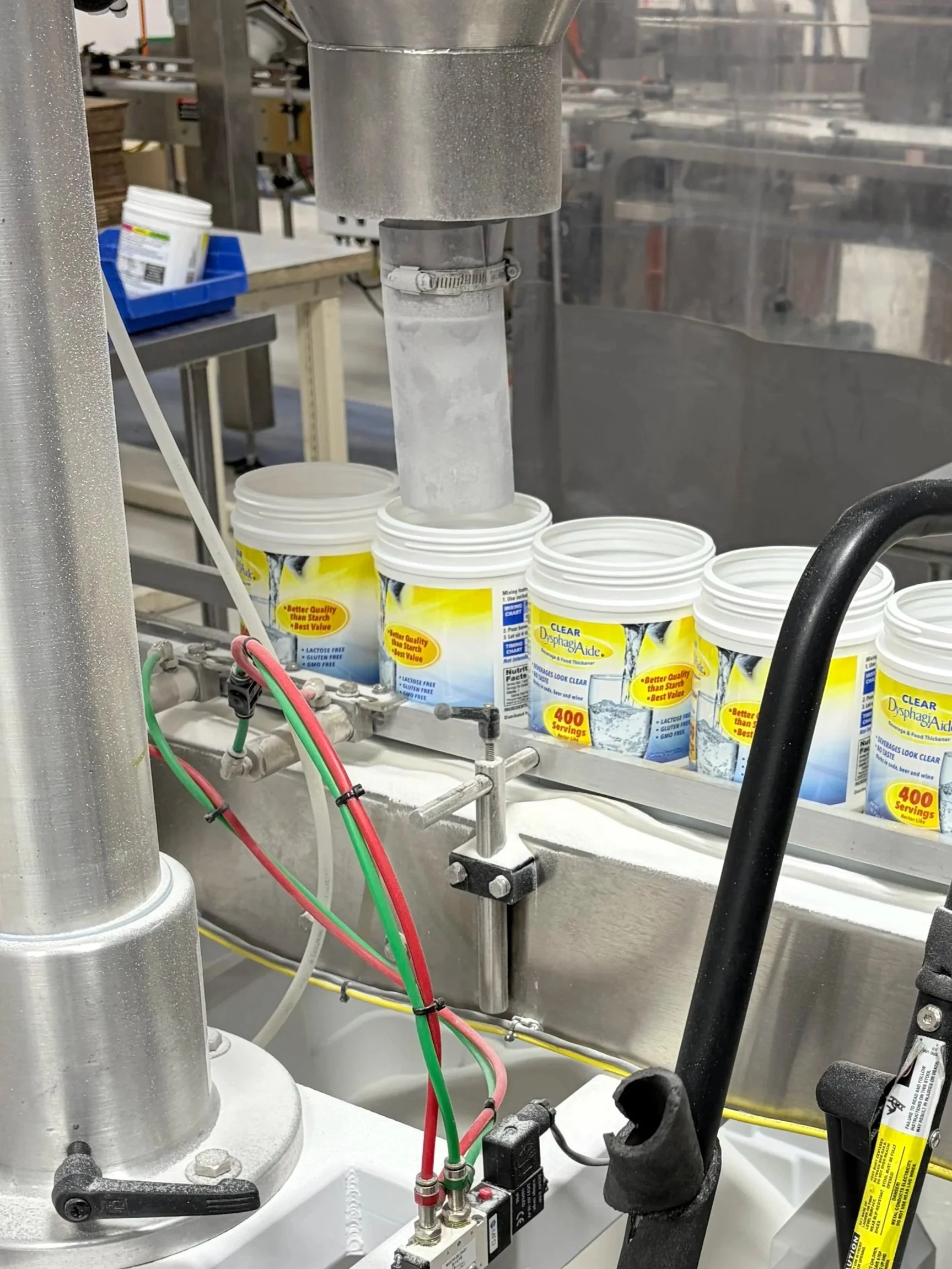
ERB Unlimited, LLC is the company behind the DysphagiAide® brand. It is a woman-owned, family-run business based in Savannah, GA.
We have extensive knowledge of dysphagia, practical experience, and a commitment to creating products of superior quality at an affordable price!
OUR MISSION
Our mission is to provide innovative, safe, and effective products that are easy to use and address the challenges individuals with dysphagia and their families face every day.
We are committed to maintaining the highest standards of quality and consistency through ongoing education and thorough product testing.

CUSTOMER SERVICE
We will actually answer the phone & return phone calls. If you call our customer service number to ask a question, you will probably speak to Glenn.
Glenn is not a computer bot; he's my husband! And he knows a lot about our thickener and how to use it! If he doesn't answer, leave him a message. He will call you back!
Where Can You Buy Clear DsyphagiAide®?
Our Online Store
Free Shipping

Free Shipping

Free Shipping